


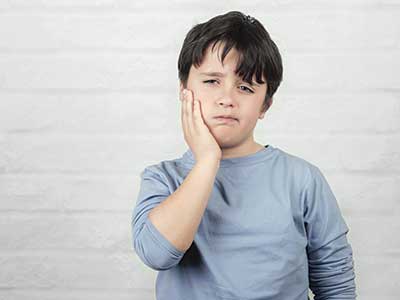
15 Jul Nighttime Grinding: Why Kids Do It and How to Help Them Stop?
Hearing a harsh scraping sound from your sleeping child’s bedroom can be alarming. If you’ve checked on your little one at night to find them grinding their teeth, you aren’t alone! Teeth grinding in children, known medically as bruxism, is remarkably common. In fact, up to 30% of kids grind or clench their teeth, especially during toddlerhood and early school years.
What Is Pediatric Bruxism?
Bruxism is the medical term for involuntary clenching or grinding of the teeth. While adults usually grind due to chronic stress, kids often grind as a normal response to growth, teething, or temporary everyday changes. While nocturnal bruxism (nighttime grinding) is most common, some children also clench during the day when concentrating or feeling anxious.
Signs Your Child Might Be Grinding
Because grinding usually happens during deep sleep, parents are often the first to notice. Watch and listen for:
- Audible Noises: Scraping, clicking, or crunching sounds during sleep.
- Worn Enamel: Teeth tips that look flat, smooth, or chipped.
- Morning Discomfort: Complaints of a “tired” jaw when eating breakfast, or unexplained morning headaches.
Why Do Kids Grind Their Teeth?
Understanding why your child grinds makes it much easier to help them stop:
- Growth and Teething: As new baby or adult teeth come in, the bite temporarily shifts. Kids grind to adjust to changing jaw positions.
- Stress and Big Changes: Starting a new grade, moving, or schedule changes can show up as physical jaw tension at night.
- Allergies and Colds: Stuffy noses or ear pressure can cause children to involuntarily move their jaw for relief.
- Bite Misalignment: If upper and lower teeth don’t line up smoothly, the jaw instinctively tries to rub down high spots.
Simple Ways to Help at Home
In most cases, kids outgrow bruxism naturally once their adult teeth arrive. Here is how you can help protect their smile in the meantime:
- Create a Calming Bedtime: Swap screen time for a warm bath or bedtime story. Try holding a warm washcloth against their cheek to relax tight jaw muscles before sleep.
- Talk Through Daily Worries: A brief chat before bed gives children a safe outlet for daytime stress.
- Keep Them Hydrated: Dehydration can trigger muscle spasms, so ensure plenty of water during the day.
When to Contact Kids Pediatric Dentistry?
If nighttime grinding causes frequent morning pain or you notice visible wear on your child’s teeth, we are here to help! If your kid suffers from Bruxism, please contact us for a grinding evaluation consultation. Dr. Lisi, Dr. Alina, and our pediatric dental team can examine your child’s enamel wear, check for airway issues like mouth-breathing, and determine if a custom night guard is needed to keep your child’s growing smile safe and healthy.
Related Topic Links
>How Stress Can Affect Your Child’s Smile?
>How to Handle Teeth Grinding in Children
>How to Stop Your Child from Grinding Their Teeth
>Bruxism (Teeth Grinding or Clenching)