Lip, Tongue, and Cheek Tie Releases — Laser Treatment
What is a lip, tongue, or cheek tie?
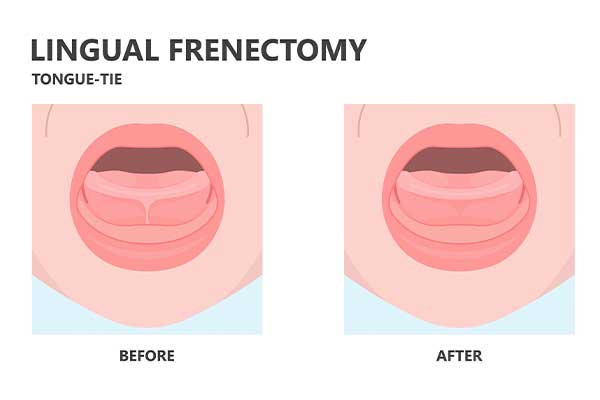
A lip, tongue, or cheek tie is a common way to describe when a frenum (connective tissue) is too restrictive, preventing proper feeding or swallowing. While it’s normal to have a frenum in our mouths, sometimes it can impede your baby’s ability to feed effectively and thrive.
How would you know if your baby has a lip, tongue or cheek tie?
Your baby has trouble sucking and gaining weight. They may be unable to make a proper seal around the nipple, causing them to swallow air, which can lead to colic, reflux, and spitting up. You might hear clicking sounds during feeding.
Nursing mothers may experience significant pain or notice that their baby has difficulty latching on.
Your baby may sleep restlessly, wake frequently, or exhibit noisy breathing and snoring during sleep.
Breakdown of common issues:
Mommy issues:
- Bleeding, blistered, or sore nipples
- Creased or flattened nipples
- Lipstick-shaped nipples
- Use of a nipple shield
- Painful nursing
Baby issues:
- Choking or gagging during feeds
- Clicking noises while nursing
- Poor latch
- Pacifier falls out easily
- Poor weight gain or constant hunger
- Reflux or excessive spit-up
- Noisy breathing or snoring
- Gassiness or fussiness
- Hiccups
- Colic symptoms
- Restlessness or short sleep cycles
What do we use at our office to help address these symptoms?
- We incorporate the most innovative advancements in dentistry by using the
- Waterlase laser, which is a state-of-the-art laser technology.
Benefits of our laser:
- Faster wound healing compared to other lasers
- Less heat transferred to surrounding tissues, which reduces scarring, inflammation, and pain for your baby
How soon can the procedure be completed?
- After a thorough medical history is taken by Dr. Alina, she will determine when it is safe to perform the procedure.
- No sedation or general anesthesia is required for this procedure.
It is important to understand that Dr. Alina may recommend working with a lactation consultant, physical therapist, chiropractor, or body worker before, during, or after the release procedure. These professionals can help support your baby’s ongoing development and ensure the best possible outcome from the treatment.