Baby Teeth - Kids Pediatric Dentistry
-1
archive,tag,tag-baby-teeth,tag-26,wp-theme-bridge,wp-child-theme-bridge-child,bridge-core-3.3.4.6,qi-blocks-1.4.8,qodef-gutenberg--no-touch,qodef-qi--no-touch,qi-addons-for-elementor-1.9.5,qode-optimizer-1.0.4,qode-page-transition-enabled,ajax_fade,page_not_loaded,,qode_grid_1300,footer_responsive_adv,qode-content-sidebar-responsive,qode-smooth-scroll-enabled,qode-child-theme-ver-1.0.0,qode-theme-ver-30.8.8.6,qode-theme-bridge,qode_header_in_grid,wpb-js-composer js-comp-ver-8.7.2,vc_responsive,elementor-default,elementor-kit-9

Baby Teeth Tag

Most kids get their first baby teeth around 6 months, and all 20 primary teeth usually arrive by age 2–3. “Normal” covers a wide range, so a few months early or late is common. Lower front teeth tend to appear first, then uppers, then side...

Typically, baby’s teeth will begin to come in around 6 months of age. Sometimes also called primary teeth, the initial baby’s teeth help the mouth get ready for kid’s permanent teeth. Primary teeth are great not just for cute baby smiles, but they also have...

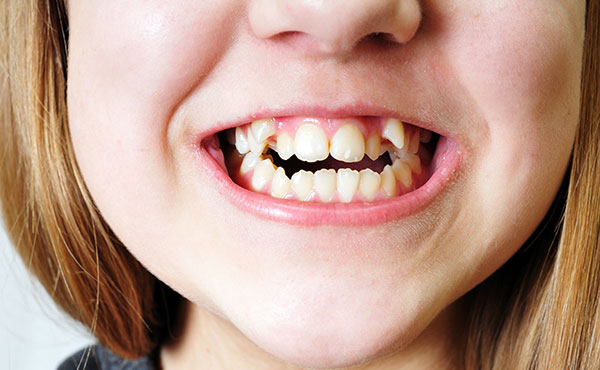
"Shark Teeth"; This dental term derives from the fact that sharks have between 5 and 15 rows of teeth in each jaw. Their teeth have no roots and are replaced every week or so. Shark teeth is a condition that occurs in children when adult teeth...

When your child’s teeth appear you probably reach out for your camera to capture their adorable smiles. Baby teeth are cute like little, white pearls! They not only help your child chew, smile, and speak clearly but also give the face it’s form. They also...

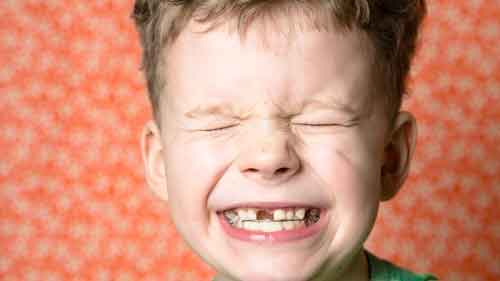
Baby teeth (also known as deciduous teeth) are your child’s first twenty teeth and most children start losing them around their 6th birthday as they’re replaced by permanent teeth. If your child is losing their baby teeth too early, be sure to see a pediatric dentist to...

Baby teeth, also known as primary, milk, or deciduous, are the first twenty teeth your child has. By the time your child reaches his/her third birthday, all of them should be present. But in just a few years, around age 5-6, he’ll start losing these temporary...